Exploring the Legacy of Black Kings and Queens Throughout History
- l34725493
- Dec 18, 2025
- 2 min read

Updated: Jan 4
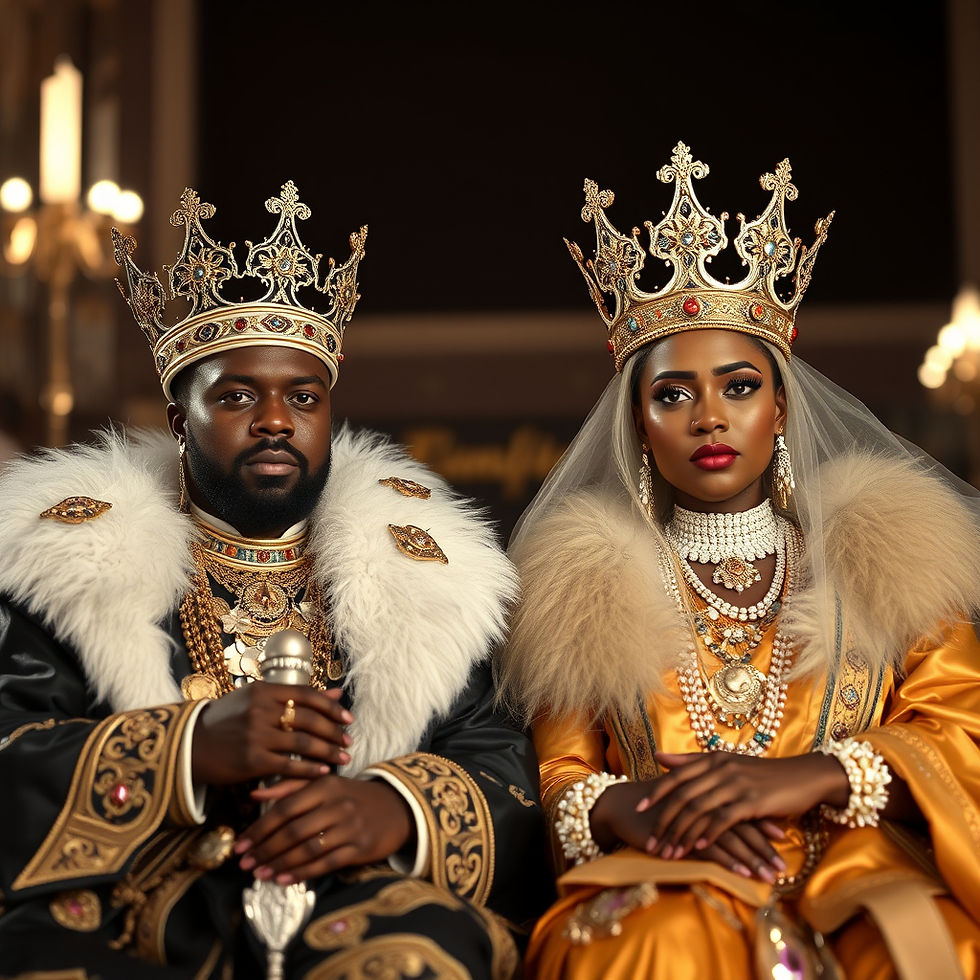
Throughout history, many Black kings and queens have shaped the world with their leadership, culture, and vision. Their stories often remain underrepresented despite their profound impact on societies across Africa and beyond. Understanding who these rulers were and the legacies they left helps us appreciate the rich history and contributions of Black civilizations.
Powerful Kings Who Shaped Their Kingdoms
Several Black kings are remembered for their strength, wisdom, and influence. One of the most famous is Mansa Musa, the ruler of the Mali Empire in the 14th century. Known as one of the wealthiest individuals in history, Mansa Musa expanded his empire’s territory and promoted education and architecture. His pilgrimage to Mecca in 1324 showcased the vast riches of Mali and helped establish important trade and cultural connections.
Another significant figure is Shaka Zulu, the leader of the Zulu Kingdom in the early 19th century. Shaka revolutionized military tactics and united many clans into a powerful nation in Southern Africa. His leadership style and innovations in warfare left a lasting mark on the region’s history.
In ancient Egypt, Pharaohs like Ramses II and Hatshepsut ruled with great authority. Ramses II is known for his military campaigns and monumental building projects, while Hatshepsut was one of the few female pharaohs who expanded trade networks and commissioned impressive temples.
Queens Who Led with Strength and Vision
Black queens have also played vital roles in history, often ruling with intelligence and courage. Queen Nzinga of Ndongo and Matamba (modern-day Angola) resisted Portuguese colonization in the 17th century. She was a skilled diplomat and warrior who fought to protect her people’s sovereignty.
Cleopatra VII, the last active ruler of the Ptolemaic Kingdom of Egypt, is another well-known queen. Though of Macedonian Greek descent, Cleopatra embraced Egyptian culture and ruled as a Black queen in the eyes of many historians. She was a shrewd political leader who sought to maintain Egypt’s independence amid Roman expansion.
In West Africa, Queen Amina of Zazzau (now Nigeria) was a fierce warrior queen who expanded her kingdom through military conquests in the 16th century. Her leadership helped establish trade routes and strengthen her people’s influence.
Cultural and Historical Impact
The legacies of these kings and queens go beyond their reigns. They influenced art, architecture, governance, and education. For example, Mansa Musa’s promotion of Islamic scholarship led to the establishment of famous centers of learning like Timbuktu. The impressive stone structures built during the reign of Great Zimbabwe’s rulers still stand as a testament to their architectural skill.
These leaders also shaped cultural identities and inspired future generations. Their stories challenge stereotypes and highlight the diversity and complexity of African history. They remind us that Black leadership has been a powerful force in shaping civilizations.
Why Their Stories Matter Today
Recognizing the achievements of Black kings and queens helps correct historical narratives that often overlook their contributions. It encourages a more inclusive understanding of world history and celebrates the richness of African heritage.
Learning about these rulers also provides role models of leadership, resilience, and vision. Their examples show how individuals can influence societies and leave lasting legacies. This knowledge can inspire pride and curiosity about history among people of all backgrounds.


Comments